It’s a question I will never get tired of asking, so here I am asking it again: why is it that in almost every other field of the arts, being ‘indie’ is seen as cool, rebellious, anti-establishment – but when it comes to publishing, it’s a clear-cut sign a writer just isn’t good enough to go mainstream?
I’m not saying that in all areas of the arts life isn’t easier with the professionals behind you; with the validation of a record company, an agent, some Arts Council funding. But there also seems to be at least some recognition that the system doesn’t work for everyone, so worthwhile work can be created outside it. Why are we so loath to accept that might be true in publishing? Especially since publishing remains one of the most elitist of the arts.
Of course, I’m biased, since I am an indie (formerly small press published) author myself. But I also spend much of my life in arts and publishing circles and I’ve seen first-hand who gets valued in mainstream publishing and who doesn’t. And, spoiler alert, it tends not to be working class writers from anywhere North of London.
Report after report has highlighted that publishing is dominated by middle / upper class people (and I’m going to focus on class, here, it being my wheelhouse, but it isn’t particularly spectacular for people from other demographics either – those aren’t my stories to tell). People from working class backgrounds feel disadvantaged in their career and, despite some outliers and some efforts to improve things, the industry is predominantly focused in and on London.
Even if you are lucky enough to break into the industry – behind the scenes or in front of them – you are disadvantaged in terms of economics (try affording regular train trips to London from Manchester or Newcastle on an entry-level publishing salary, or on what all but the top percentile of authors typically earn) or by a lack of knowledge, opportunity and connections. Even if you do scrape together the money to go to some ‘essential’ networking event, you so often turn up feeling out of your depth and unwelcome, as if everyone else has been given a primer in some secret language you didn’t know you were supposed to speak.
I will never not be furious about an event I went to at A Major London Bookshop featuring a bunch of debut authors, all but one of which were middle to upper class. Two had met their agents through their parents, one who met their agent while interning at their office – which, aha, was set up by their parents. One was the daughter of a world-famous journalist. (Not a single one of them admitted this might have had even the teeniest effect on their chances, of course). If you genuinely believe the only reason people don’t get their work published is because it isn’t good enough, then I’d like to live in your egalitarian paradise, please.
So, let’s unpick all the reasons you might not buy indie: and I’m going to tell you why you’re wrong:
There’s no quality control!
And, you know what? You are right. While some indie authors have extremely high production levels and pay for books to be professionally edited and produced, many… do not. But you know what else? Publishers are increasingly cost-cutting, and often that is on the editing and proofing side. I recently read a crime book by a well-known author from a major publishing house where they twice referred to someone staying in an Airbnb 10 years before Airbnb existed and got a crucial crime timeline wrong because they mixed up 1am and 1pm. I read a £25 history hardback that got the name of Henry VIII’s children wrong! I’ve also read plenty of 500-page novels that should have been 125 pages, but the author is now too famous to succumb to an editor’s pen.
I’ve also read e-books from leading publishers that looked like they were formatted by a chimpanzee using its feet. (Fun fact: if you read any backlist title published before e-books were common, the formatting is likely to be appalling, since publishers tend to convert them on the cheap – I have learned this the hard way.) Buying mainstream improves your chances of good production and editing, but it doesn’t guarantee it.
And besides – maybe adjust your expectations a little bit. You don’t expect a band you see in the pub to have the same production values as Beyonce. You wouldn’t go to a fringe theatre play expecting a West End show. That doesn’t mean you won’t find art that speaks to you – that might even speak to you more than a glossier, more filtered experience. I’ve bought stapled together poetry booklets printed on paper so thin it gave me flashbacks to school toilets in the 1970s, but I’m still glad I did, because it gave me an insight into voices I wouldn’t otherwise have experienced.
Aren’t indie authors um, a little unhinged?
Again, not going to lie… sometimes indie authors don’t do themselves any favours. You don’t have to look too far to find stories of them raging at bloggers or reviewers, appalled that their genius is being slandered. Stories of plagiarism and bad behaviour are rife.
But equally, c’mon. I can think off the top of my head of equally terrible stories about mainstream authors, made worse because they have more power behind them. Without trying too hard I can think of an author famous for literally turning up at a blogger’s house because they were unhappy at a review. Of others setting their fans on people online who don’t like their books. Of authors who inflate their sales figures by buying their books themselves, or ‘sock-puppeting’ good reviews on Amazon and Goodreads for themselves and posting bad reviews for their competitors. Of massively successful mainstream authors regularly accused of stealing wholesale from fanfiction sites. (I’m not going to name any of these people, obviously, because I like not getting sued, but you don’t have to do much googling to find multiple examples).
I don’t want to give any money to Amazon! They are evil!
This is the one I have most sympathy for, I admit, because almost any booklover wants to support their local bookshop (if they are lucky enough to have one), and while there are of course other outlets for indie publishing, Amazon is the Big One, and Amazon is the Bad Guy. But… you know, Rupert Murdoch owns HarperCollins. Waterstones is owned by a hedge fund and got slammed during Covid because some employees were allegedly having to use foodbanks because they couldn’t make rent on furloughed pay.
Unless you shop exclusively at small indie chains your whole life – and if you do, go you, but recognise that comes from a place of extreme financial and geographical privilege – any purchasing decision comes with some give and take on morality. As The Good Place reminded us, there are no entirely ethical purchases under capitalism. Everything is a compromise, so why not apply some leeway to supporting voices you might not otherwise get to hear?
And of course, I don’t just mean support individual indie authors. Independent presses and publishers are struggling all the time in the current climate. Small bookshops can barely keep their doors open. And, as always, whenever a crisis hits it just emphasises and reinforces the inequalities that are already there. (In fact, the vast majority of mainstream authors earn way less than you think, so I am certainly not categorising them as some homogenous elite. So don’t go pirating books because you think ‘they can afford it’ – they almost certainly can’t. Use a fucking library! Even if there’s not one nearby – thank the Tories’ cultural vandalism for that – you can borrow books online).
I’m not saying that by supporting indie authors and businesses we should let mainstream publishing off the hook – it needs to change. It desperately needs to improve on all kinds of diversity, at every single level and both in terms of the books that are published and promoted and who chooses which books those are.
I’m also not being a killjoy and saying don’t buy the next Jack Reacher when it’s 50% off at Tesco – hell, I do that as much as the next guy. But I’m also saying that if we rule out swathes of writers because they either couldn’t or didn’t want to go via a route that is so punishingly unwelcoming to so many people, the loss is both ours and theirs.
Like my writing? You can support me in a whole load of ways (some of them for FREE!)
If you’re skint: RTs and shares always welcome. Reviews of anything of mine you have read on Amazon or Goodreads or any book related/social media site, no matter how short, help boost profile. Tell your friends how lovely I am.
Donate to my Ko-fi. All the cool kids have one.
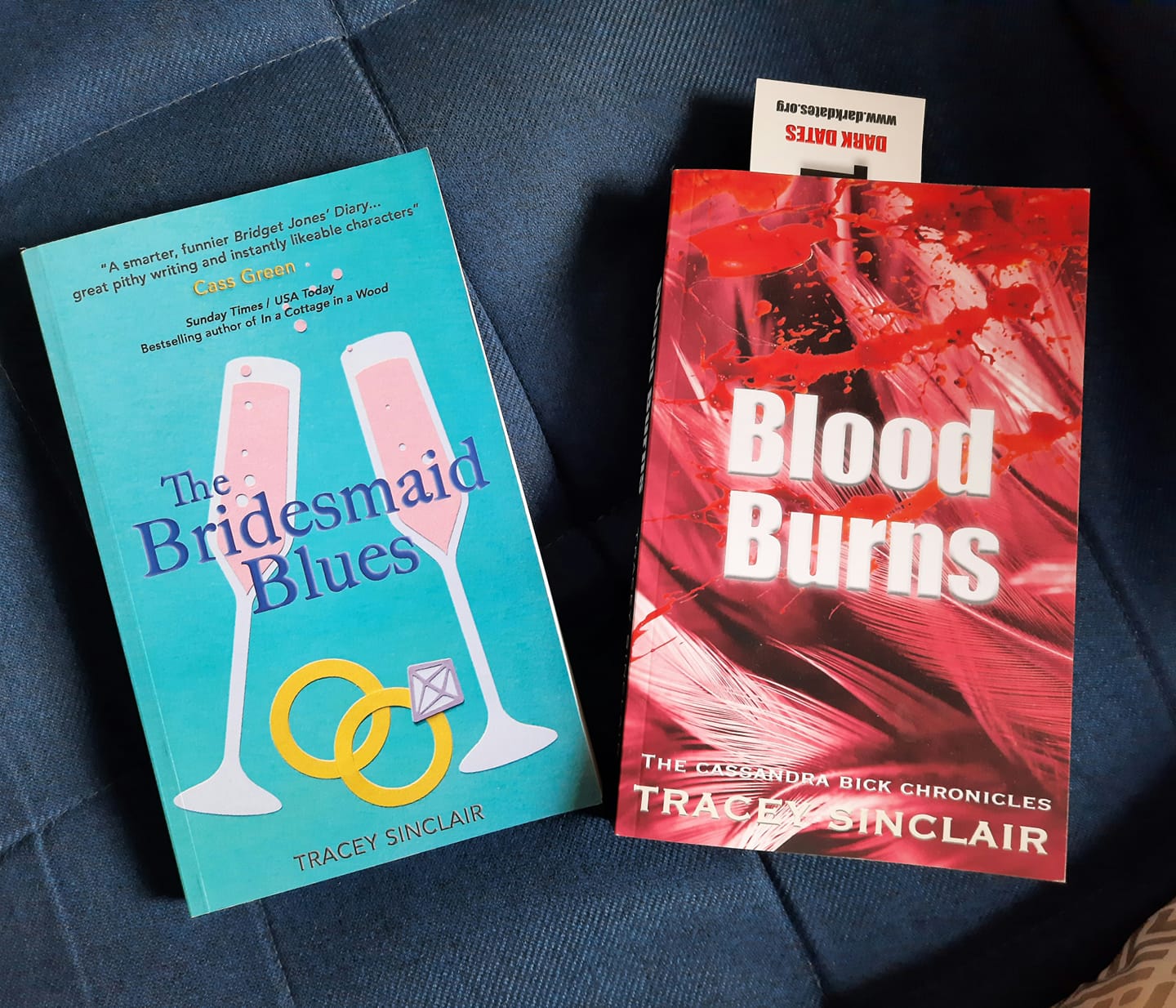
Buy my books:
Rom-com with a dash of Northern charm: The Bridesmaid Blues
Paranormal adventure with snark and sexiness: Dark Dates: Cassandra Bick Chronicles: Volume 1
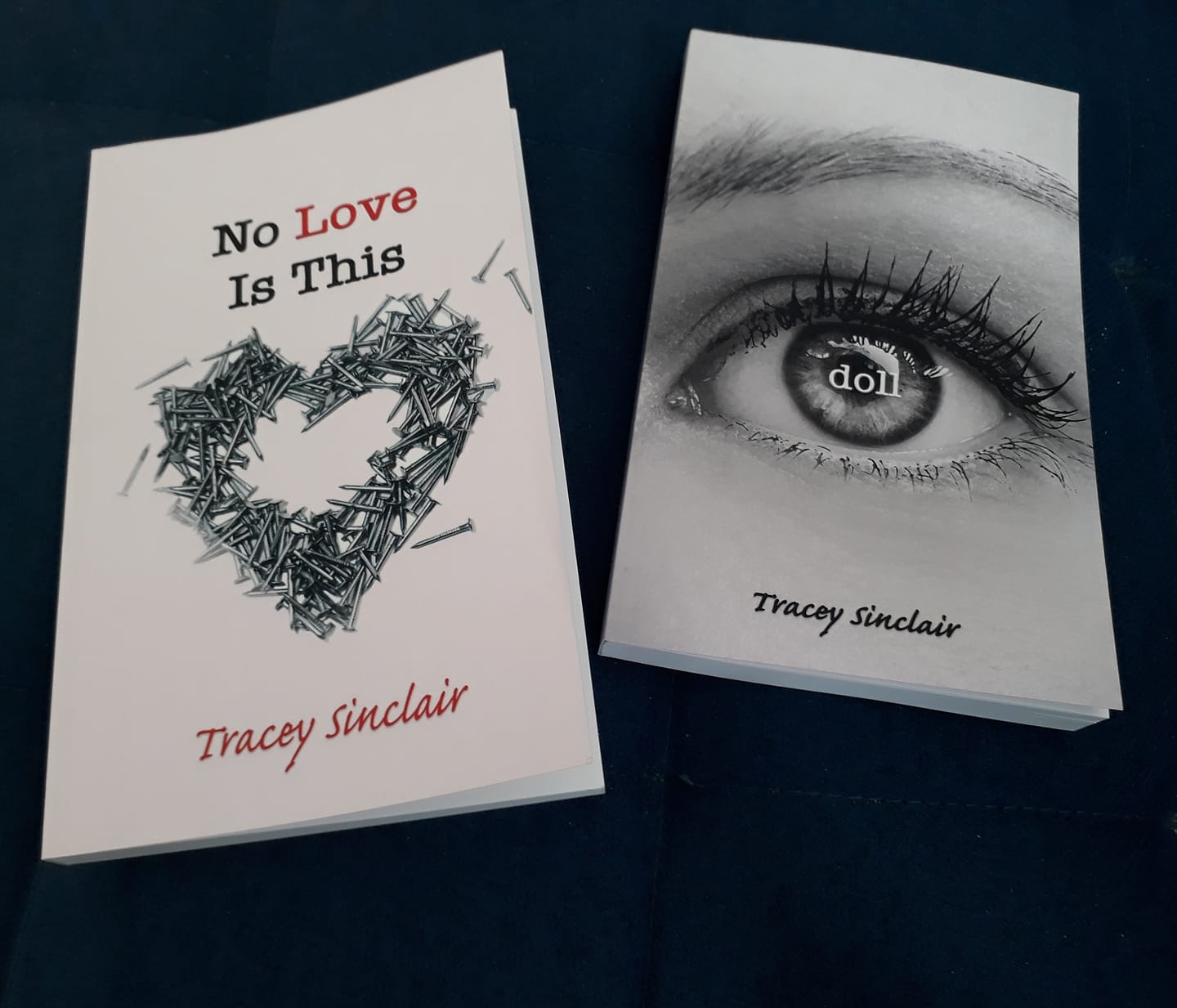
If you want to read something a bit darker, try my earlier novel Doll and my short stories No Love is This.
Want some swag? Buy a bag or a tee. And be sure to send me a picture!
 Dark Dates